


What Is Child-Centered Play Therapy (CCPT) — And Why Does It Matter?
When adults are overwhelmed, we usually talk.
Children don’t always have that luxury.
Many children lack the words, emotional development, or nervous-system regulation needed to explain complicated feelings like grief, confusion, fear, loyalty conflict, anxiety, or sadness. Instead, children communicate through behavior, play, imagination, body language, and symbolic expression.
That is where Child-Centered Play Therapy (CCPT) comes in.
What Is CCPT?
Child-Centered Play Therapy is an evidence-based therapeutic approach designed to help children process emotions, experiences, stress, and relationships through play rather than direct interrogation or adult-driven conversation.
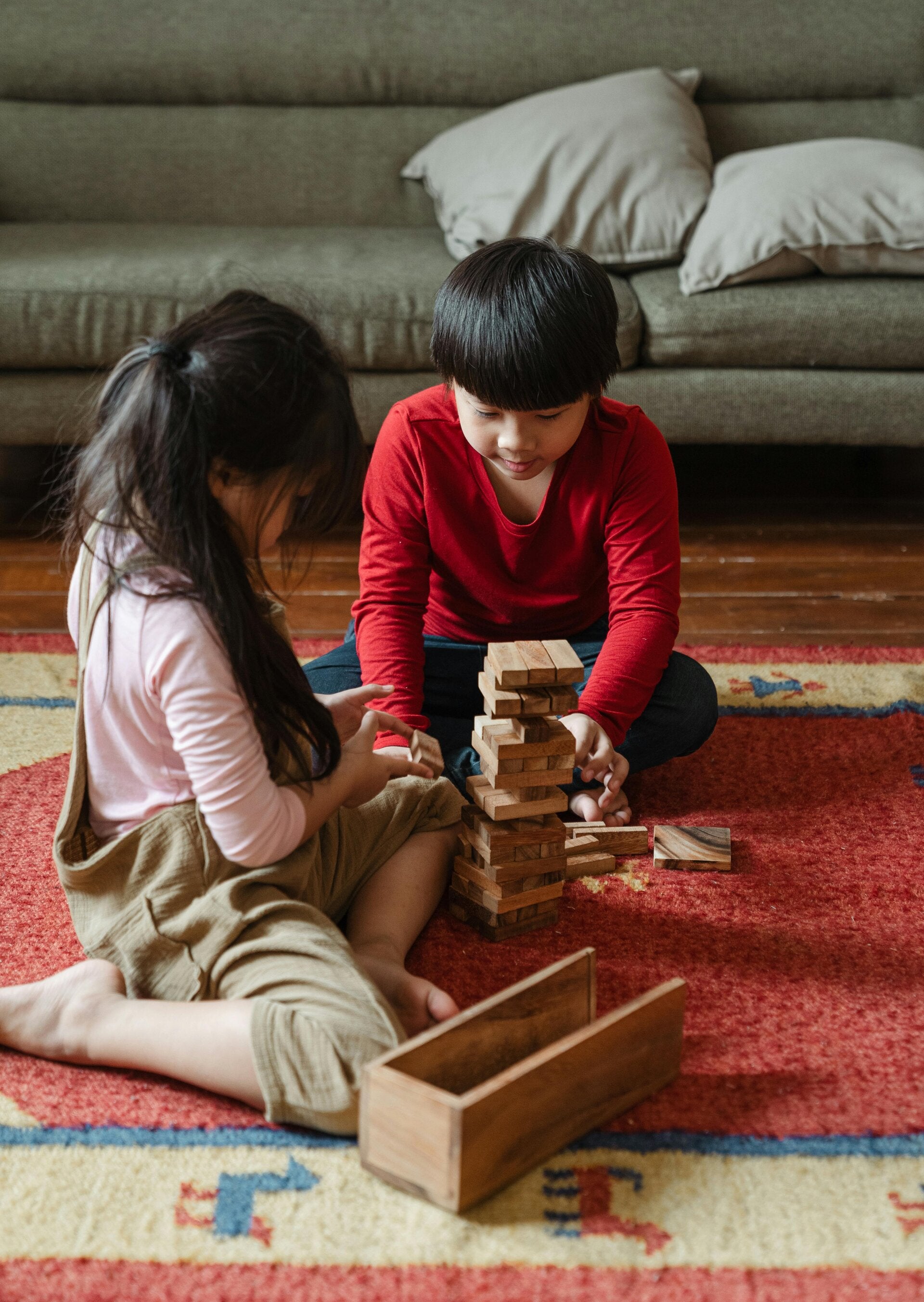
In CCPT, the play itself becomes the child’s language.
Rather than controlling the session or forcing a child to “talk about what happened,” the therapist creates a safe, emotionally attuned environment where the child leads the process. Through toys, art, role-play, storytelling, movement, and symbolic interaction, children gradually reveal:
- emotional conflicts,
- attachment needs,
- fears,
- internal stress,
- and unresolved experiences.
This approach respects the developmental reality that children often cannot verbalize what they are carrying internally.
Why Play Matters
To adults, play can look random or insignificant.
To children, play is often communication.
A child repeatedly burying toys, rescuing dolls, building walls, separating families, “bringing characters back to life,” or acting out helplessness may be expressing emotional realities they cannot yet explain directly.
CCPT allows therapists to observe themes such as:
- attachment disruption,
- anxiety,
- grief,
- emotional overwhelm,
- loyalty conflicts,
- emotional withdrawal,
- fear,
- or unmet nurturing needs.
Importantly, CCPT does not force children to perform emotions for adults. It creates space for authentic emotional processing at the child’s pace.
The Nervous System and Emotional Regulation
Children need more than food, schedules, and school attendance to thrive.
They also require:
- emotional safety,
- co-regulation,
- attuned human interaction,
- play,
- movement,
- connection,
- and stable attachment relationships.
When children experience chronic stress, conflict, instability, or prolonged emotional confusion, their nervous systems can become dysregulated. This may appear as:
- irritability,
- emotional shutdown,
- excessive screen dependency,
- hyperactivity,
- somatic complaints,
- aggression,
- dissociation,
- or emotional numbness.
CCPT helps children gradually restore emotional regulation by providing:
- consistency,
- relational safety,
- emotional expression,
- and corrective attachment experiences.
What CCPT Is NOT
CCPT is not:
- interrogation,
- coaching,
- forcing disclosures,
- “fixing” children,
- or teaching children what to say.
A properly trained play therapist follows the child’s emotional process rather than imposing an adult narrative onto the child.
This distinction matters.
Children deserve therapeutic environments where they are allowed to safely experience and process emotions — not environments where they feel pressure to protect adults, perform emotionally, or suppress their internal world.
Why Attachment Matters
Children are biologically wired for attachment.
Healthy attachment relationships help children develop:
- emotional regulation,
- identity,
- self-worth,
- resilience,
- and trust in relationships.
When children experience prolonged relational disruption, confusing family dynamics, chronic separation, or emotional inconsistency, they often attempt to adapt in ways that adults may misunderstand.
Some children become clingy.
Some become emotionally avoidant.
Some appear “fine” while quietly shutting down emotionally.
CCPT helps create space to understand what behaviors may actually be communicating beneath the surface.
Supporting Children Through Difficult Family Transitions
Children involved in high-conflict family systems often carry emotional burdens far beyond their developmental capacity.
Many become:
- hyperaware of adult emotions,
- fearful of disappointing a parent,
- emotionally divided,
- or confused about what they are allowed to feel.
Children should never be placed in the role of emotional mediator, truth-seeker, or protector of adult relationships.
They deserve:
- emotional safety,
- stable attachment,
- developmentally appropriate support,
- and the freedom to love both parents without fear, pressure, or emotional consequences.
Final Thoughts
Healing for children rarely happens through pressure, punishment, or emotional suppression.
It happens through:
- safety,
- connection,
- attunement,
- consistency,
- play,
- and trusted relationships.
Child-Centered Play Therapy gives children a developmentally appropriate way to express what words alone often cannot.
Sometimes the most important thing we can do for a child is not demand explanations from them —
but create enough emotional safety that they no longer have to carry everything alone.
Contact me for a quick consultation to see how I may be able to help you with your children's issue: Tyra Butler, LMFT, (949) 292-2923; tyrabutlermft@Gmail.com.








Add comment
Comments