


The journey of foster and adoptive parenting is often characterized by devotion entwined with complexity. Understandably so, since children who enter foster care or adoption often arrive bearing invisible histories of adversity, histories inscribed not only in memory but within the developing nervous system.
Experiences such as early neglect, disrupted attachment, institutional care, prenatal stress, maltreatment, and repeated caregiver transitions can profoundly influence neurodevelopment, emotional regulation, interpersonal trust, and the child's capacity to form secure relationships. These early adaptations, while often essential for survival in adverse environments, may later present as difficulties with emotional regulation, behavioral flexibility, and relational security.
Because secure attachment represents one of the most robust predictors of healthy social, emotional, and neurological development, promoting its formation is a central objective in supporting children with histories of adoption and foster care. Research increasingly demonstrates that interventions prioritizing relational safety, emotional attunement, and co-regulation over behavioral compliance are particularly effective in facilitating lasting developmental change. Rather than focusing primarily on modifying behavior, these approaches recognize that enduring transformation occurs when children experience relationships characterized by consistency, empathy, and psychological safety.
Among the most compelling of these evidence-informed interventions is Child-Centered Play Therapy (CCPT), especially when integrated with the principles of Interpersonal Neurobiology (IPNB). Child-Centered Play Therapy provides developmentally appropriate opportunities for children to express, process, and reorganize their internal experiences through symbolic play within the context of an accepting therapeutic relationship. Interpersonal Neurobiology complements this work by explaining how repeated experiences of attuned, emotionally responsive relationships promote neural integration and foster the development of secure attachment. Together, these complementary frameworks offer a scientifically grounded and deeply humane model for helping foster and adoptive families cultivate resilience, repair the effects of developmental trauma, and nurture the secure relationships upon which lifelong psychological health depends.

Child-Centered Play Therapy (CCPT), pioneered through the humanistic tradition of Virginia Axline (1947) and subsequently refined by Garry Landreth (2012), rests upon a deceptively simple yet profoundly sophisticated premise: play is the child's natural language, and through play children communicate, explore, and ultimately process their lived experiences. Because young children often lack the cognitive and linguistic maturity to articulate complex emotions or traumatic experiences verbally, symbolic play becomes their primary medium for expressing thoughts, feelings, conflicts, and unmet developmental needs.
Rather than directing the child's experience or pursuing immediate behavioral modification, the therapist enters the child's world with empathic attunement, unconditional positive regard, congruence, and an unwavering respect for the child's innate capacity for growth and self-directed healing. This therapeutic stance reflects Carl Rogers' person-centered philosophy, which posits that psychological growth flourishes within relationships characterized by authenticity, empathy, and unconditional acceptance. Within the playroom, the therapist cultivates an emotionally safe environment defined by acceptance, undivided attention, emotional attunement, and genuine engagement. In this relational context, children are afforded the freedom to symbolically revisit, reorganize, and integrate experiences that may otherwise remain inaccessible through language alone.
From a developmental perspective, the therapeutic power of CCPT lies not in the therapist's interpretation or direction of the child's play, but in the quality of the therapeutic relationship itself. Through repeated experiences of being deeply seen, accurately understood, and consistently accepted without judgment, children gradually develop greater emotional awareness, self-regulation, resilience, and trust in relationships. As internal conflicts are expressed and resolved through symbolic play, the psychological distress underlying presenting concerns often diminishes naturally. Consequently, improvements in emotional regulation, behavioral functioning, interpersonal relationships, and overall psychological well-being emerge not because behaviors are externally managed, but because the child's internal world has been afforded the safety and relational support necessary for authentic healing and developmental integration.
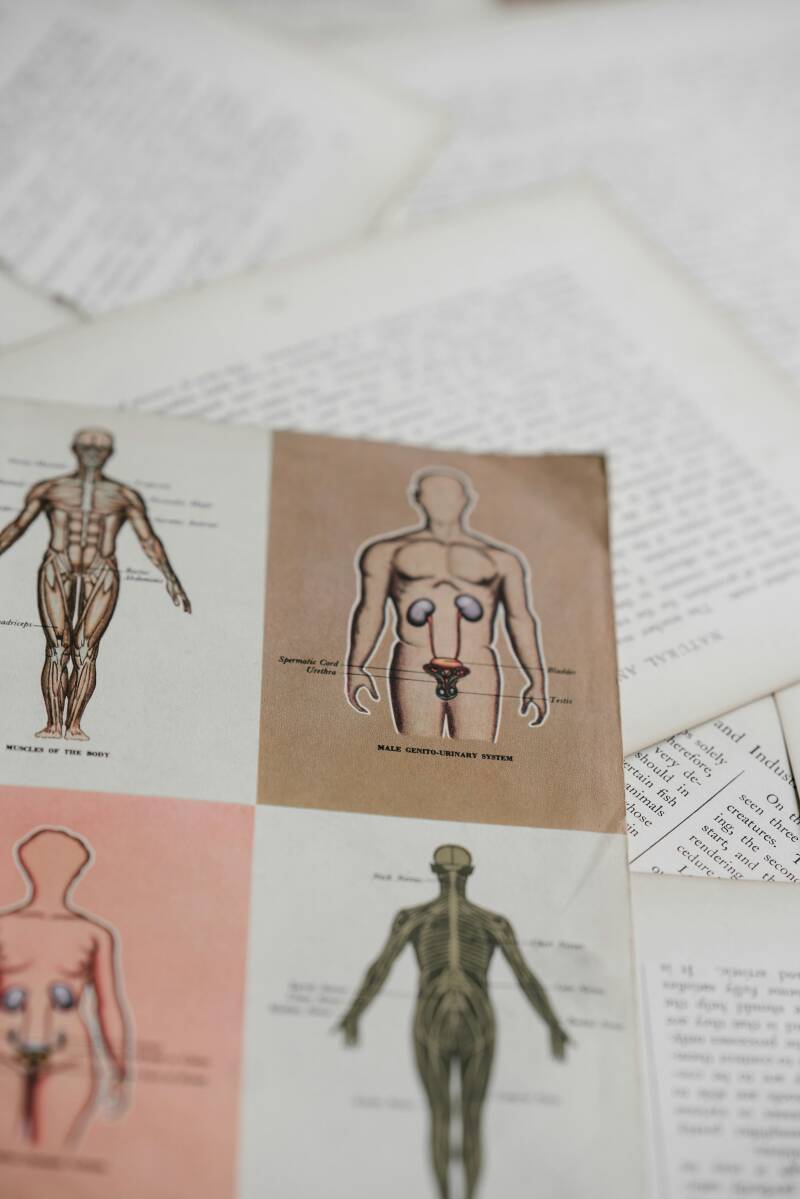
Interpersonal Neurobiology, developed by Daniel J. Siegel (1999, 2012), provides an elegant explanatory framework for understanding why CCPT exerts such transformative effects. IPNB conceptualizes the mind as an emergent process arising from the dynamic interplay between the brain, the body, and interpersonal relationships.
From the perspective of Interpersonal Neurobiology (IPNB), healthy development depends upon integration—the harmonious coordination of differentiated neural systems that allows individuals to respond to life's challenges with flexibility, resilience, and adaptive self-regulation (Siegel, 2012). Integration enables the seamless functioning of emotional, cognitive, physiological, and relational processes, fostering a coherent sense of self and the capacity for secure interpersonal relationships. Trauma, particularly when experienced during critical periods of development, can disrupt this process of integration, contributing to patterns of rigidity or chaos within the nervous system. These disruptions may manifest as hypervigilance, dissociation, emotional dysregulation, impaired social engagement, and difficulties with executive functioning (thinking things all the way through) and self-awareness.
Importantly, the outward expressions of these neurobiological adaptations are frequently misunderstood as intentional misbehavior or willful noncompliance. Behaviors such as aggression, emotional outbursts, withdrawal, defiance, impulsivity, self-injurious behaviors, perfectionism, or chronically low self-esteem often represent adaptive responses to overwhelming stress rather than character flaws or conscious choices. From a trauma-informed perspective, these behaviors are better understood as the nervous system's efforts to maintain safety in response to experiences that exceeded the child's developmental capacity to cope. Recognizing these behaviors as manifestations of underlying dysregulation rather than deliberate misconduct fundamentally shifts the therapeutic focus from controlling behavior to promoting neural integration, emotional regulation, and relational healing through experiences of safety, attunement, and secure connection.
Within this framework, the therapeutic relationship itself becomes an instrument of neuroplastic change. Repeated experiences of contingent responsiveness, emotional attunement, reflective functioning, and co-regulation facilitate the gradual reorganization of neural networks responsible for affect regulation, executive functioning, autobiographical memory, and interpersonal trust. Rather than "fixing" problematic behaviors, CCPT invites the child's nervous system to experience a fundamentally different relational template—one characterized by safety, predictability, and empathic connection.
This neurobiological understanding holds particular relevance for foster and adoptive families. Children who have experienced disrupted caregiving often demonstrate behaviors that are easily misinterpreted as oppositional, manipulative, or defiant. Yet contemporary developmental neuroscience increasingly recognizes many such behaviors as adaptive survival strategies developed within environments of chronic uncertainty. Hypervigilance, emotional withdrawal, compulsive self-reliance, indiscriminate affection, controlling behaviors, and intense emotional reactions frequently represent nervous system adaptations rather than intentional misconduct.

Accordingly, effective intervention requires a paradigm shift from asking, "What is wrong with this child?" toward the far more clinically meaningful inquiry, "What has this child experienced, and what is the nervous system communicating?" and then providing the child the therapeutic relationship and environment to work through that. This trauma-informed reorientation reduces parental blame while simultaneously increasing caregiver curiosity, empathy, and reflective capacity.
Play occupies a uniquely privileged position within neurodevelopment because it recruits multiple integrated systems simultaneously. During symbolic play, children engage sensorimotor experiences, emotional processing, executive functioning, imagination, autobiographical memory, and interpersonal communication within an intrinsically motivating context. Panksepp's affective neuroscience further demonstrates that play constitutes a primary emotional system fundamental to healthy mammalian development, promoting social competence, emotional flexibility, and resilience (Panksepp, 2007). When embedded within an emotionally attuned therapeutic relationship, play becomes a vehicle for reorganizing implicit procedural memories encoded long before language emerged.
For adoptive and foster parents, the therapeutic process extends well beyond the therapy room. Contemporary CCPT increasingly emphasizes filial applications, wherein caregivers themselves are trained to conduct structured therapeutic play sessions under professional supervision. Landreth and Bratton's extensive body of research demonstrates that filial therapy significantly enhances parental empathy, decreases parenting stress, improves attachment security, and strengthens parent-child relationships while reducing behavioral difficulties across multiple developmental domains.
Interpersonal Neurobiology deepens this understanding by highlighting the reciprocal nature of regulation. Children borrow the nervous systems of emotionally available adults. Through repeated experiences of co-regulation, caregivers become external regulators whose calm presence gradually supports the maturation of the child's own regulatory capacities. The adult's ability to remain emotionally organized during moments of dysregulation directly influences the child's capacity to develop resilience. In this sense, healing occurs not through behavioral correction but through shared physiological regulation and emotionally contingent relationships.


Importantly, IPNB also reminds clinicians that foster and adoptive parents bring their own attachment histories into the therapeutic relationship. Caregiver reflective functioning—the capacity to understand one's own mental states alongside those of the child—emerges as a robust predictor of secure attachment. Therapeutic work that supports caregiver self-awareness therefore indirectly promotes child healing by enhancing parental attunement, emotional flexibility, and tolerance for relational uncertainty.
The integration of Child-Centered Play Therapy with Interpersonal Neurobiology therefore represents considerably more than the juxtaposition of two theoretical models. Rather, it embodies a comprehensive developmental philosophy recognizing that the brain develops within relationships, trauma is fundamentally relational, and healing must likewise occur through relationship. This synthesis respects children's developmental capacities while honoring the remarkable plasticity of the human nervous system across the lifespan.
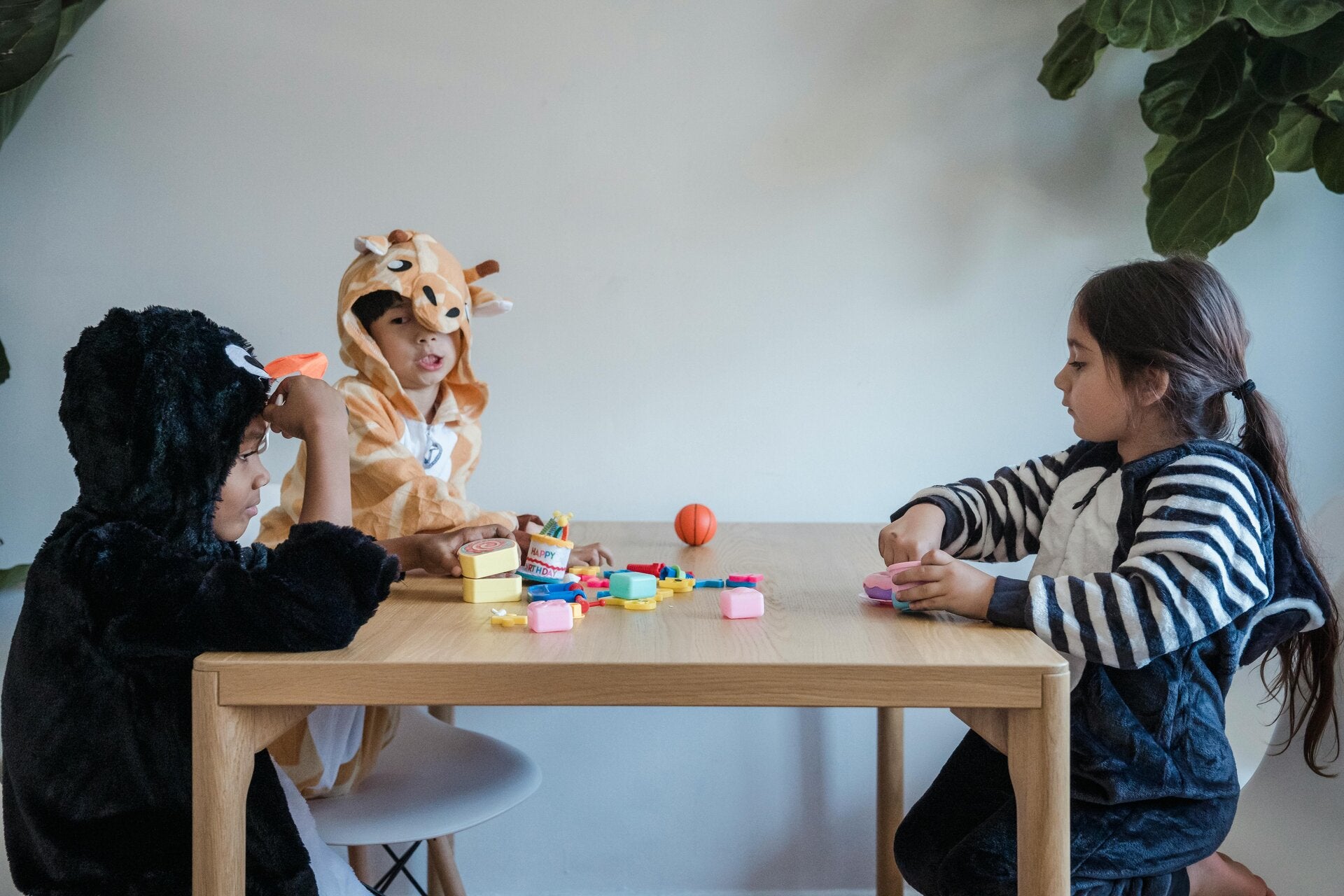
Perhaps most importantly, this integrated approach restores dignity to children whose behaviors have too often been misunderstood through deficit-oriented frameworks. Instead of viewing dysregulation as pathology requiring suppression, CCPT informed by IPNB recognizes behavioral expressions as meaningful adaptations worthy of compassionate curiosity. Every symbolic narrative enacted through play, every tentative gesture toward connection, and every experience of successful co-regulation becomes another opportunity for neural integration and relational repair.
For foster and adoptive families navigating the enduring effects of developmental trauma, Child-Centered Play Therapy integrated with Interpersonal Neurobiology offers something profoundly hopeful: not merely symptom reduction, but the gradual construction of secure attachment, emotional integration, and resilient identity through relationships characterized by unwavering presence, empathic attunement, and authentic human connection. As neuroscience continues to illuminate the extraordinary plasticity of the developing brain, this integrative paradigm affirms a timeless truth long understood by skilled play therapists—that healing begins not when children are compelled to change, but when they are deeply seen, consistently understood, and safely loved.
References
Axline, V. M. (1947). Play Therapy. Houghton Mifflin.
Badenoch, B. (2018). The Heart of Trauma: Healing the Embodied Brain in the Context of Relationships. W. W. Norton.
Bowlby, J. (1988). A Secure Base: Parent-Child Attachment and Healthy Human Development. Basic Books.
Bratton, S. C., Ray, D., Rhine, T., & Jones, L. (2005). The efficacy of play therapy with children: A meta-analytic review of treatment outcomes. Professional Psychology: Research and Practice, 36(4), 376–390.
Landreth, G. L. (2012). Play Therapy: The Art of the Relationship (3rd ed.). Routledge.
Landreth, G. L., & Bratton, S. C. (2006). Child Parent Relationship Therapy (CPRT): A 10-Session Filial Therapy Model. Routledge.
Panksepp, J. (2007). Neuroevolutionary sources of laughter and social joy. Psychological Topics, 16(2), 231–244.
Perry, B. D., & Szalavitz, M. (2017). The Boy Who Was Raised as a Dog (3rd ed.). Basic Books.
Siegel, D. J. (1999). The Developing Mind. Guilford Press.
Siegel, D. J. (2012). The Developing Mind (2nd ed.). Guilford Press.
Siegel, D. J., & Bryson, T. P. (2020). The Power of Showing Up. Ballantine Books.
van der Kolk, B. A. (2014). The Body Keeps the Score. Viking.

I'm Tyra Butler, a Licensed Marriage and Family Therapist with a private practice in Corona, California, serving children, couples, and families. For more than 16 years, I've had the privilege of walking alongside people as they navigate some of life's most challenging seasons.
I truly love what I do. I believe healing begins in the context of a safe, authentic relationship where people feel genuinely seen, heard, understood, and accepted. Whether I'm sitting on the floor in a playroom with a child, helping a couple reconnect, or supporting an individual through anxiety, grief, trauma, or life transitions, my goal is the same: to create a space where lasting growth can naturally unfold.
My approach is grounded in compassion, relational neuroscience, attachment theory, and evidence-based practices such as Child-Centered Play Therapy (CCPT). Rather than focusing on fixing people, I believe each person already possesses an innate capacity for healing and resilience. My role is to provide the empathy, safety, and support that allow those strengths to emerge.
It is an honor to come alongside my clients as they work through the hard things, discover new insights, strengthen their relationships, and move toward lives filled with greater peace, connection, and hope.
Please contact me (949) 292-2923 or tyrabutlermft@gmail.com